Test 1_Article_Afghanistan Iran Pakistan Afghanistan Iran Pakistan Afghanistan Iran Pakistan Afghanistan Iran Pakistan Afghanistan Iran Pakistan

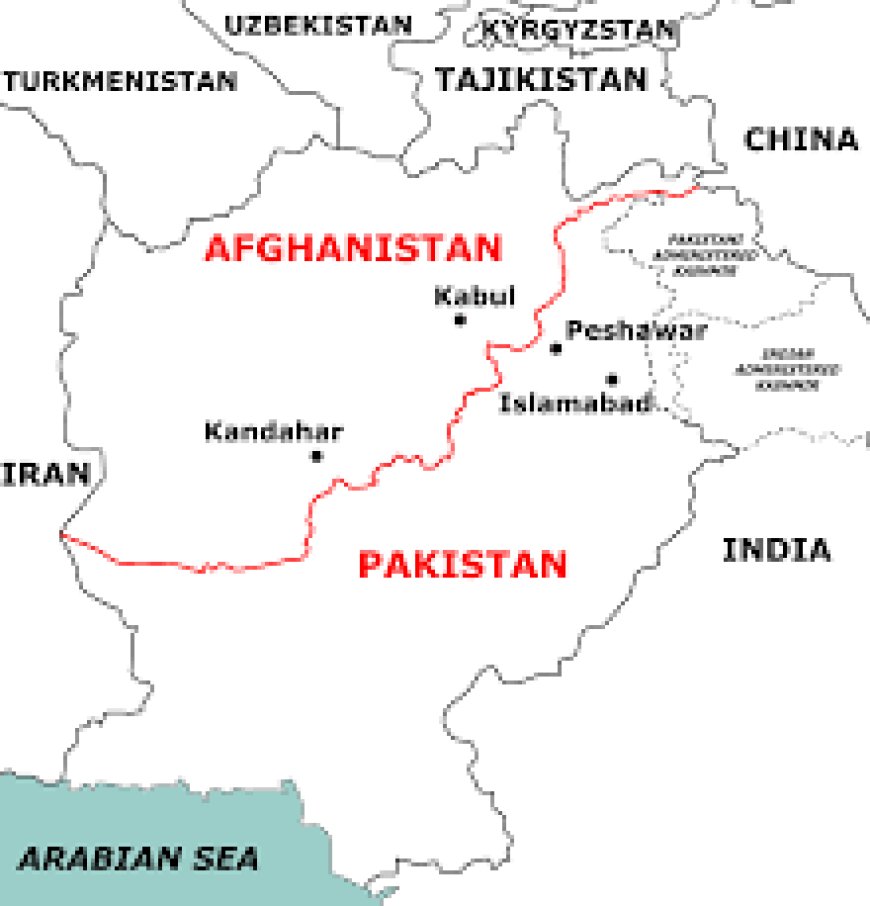
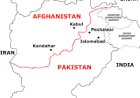
Trade between Afghanistan and Pakistan has historically been the cornerstone of regional economic activity, though it is currently undergoing a period of significant volatility. Below is an overview of the current trade landscape, commodities, and the structural challenges involved.
Current Trade Landscape (2024–2025)
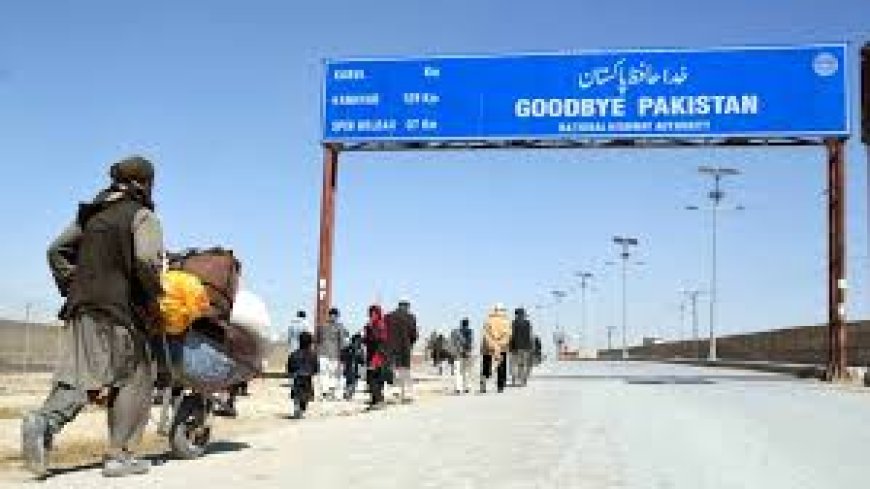
The bilateral trade volume has faced a sharp decline recently. According to official data from the Taliban's Ministry of Industry and Commerce, trade fell by approximately 40% in 2025, dropping to $1.766 billion from $2.461 billion in 2024. This decline is largely attributed to frequent and prolonged border closures at key crossings like Torkham and Chaman.
Interestingly, the trade balance has shifted. While Pakistan historically maintained a large surplus, its exports have plummeted, while Afghan exports to Pakistan (particularly coal and agricultural goods) have seen periods of growth or stability.
Major Commodities Traded
The trade remains heavily concentrated in raw materials, energy, and essential consumer goods.
-
Exports from Afghanistan to Pakistan:
-
Energy & Minerals: Coal, coke, and briquettes (massive surge in recent years), and iron.
-
Agriculture: Raw cotton, fresh and dried fruits (grapes, pomegranates, pine nuts), and vegetables.
-
-
Exports from Pakistan to Afghanistan:
-
Food Staples: Rice, sugar, cereals, and edible fats/oils.
-
Construction: Cement and construction materials.
-
Healthcare: Pharmaceutical products and medical supplies.
-
The Afghanistan-Pakistan Transit Trade Agreement (APTTA)
The APTTA is the legal framework governing the movement of Afghan goods through Pakistani territory to international markets.
Note on Transit Trade:
While Pakistan remains the shortest and most cost-effective route for landlocked Afghanistan to access the sea (via Karachi and Gwadar ports), the agreement has been under strain. Afghanistan has increasingly explored alternative routes through Iran (Chabahar Port) and Central Asian states (Uzbekistan and Tajikistan) to reduce its dependency on the often-closed Pakistani border.
Key Challenges and Barriers
The commercial relationship is currently hampered by several "non-tariff" barriers:
-
Border Security & Political Tension: Clashes between security forces often lead to immediate shutdowns of the Torkham-Jalalabad highway.
-
Infrastructure Deficits: A lack of cold storage and "cold chain" facilities at border crossings means that perishable Afghan fruit often rots during transit delays.
-
Financial Hurdles: Due to international sanctions on Afghanistan's banking system, traders must often rely on the informal hawala system or carry physical cash, which increases risk and costs.
-
Visa & Document Policies: New requirements for "TAD" (Temporary Admission Documents) and stricter visa regimes for truck drivers have slowed down the rotation of transport vehicles.
Files
-
3b2abf06db98cf3135239d439e7d7add.pngOpen 0
What's Your Reaction?
 Like
0
Like
0
 Dislike
0
Dislike
0
 Love
0
Love
0
 Funny
0
Funny
0
 Angry
0
Angry
0
 Sad
0
Sad
0
 Wow
0
Wow
0